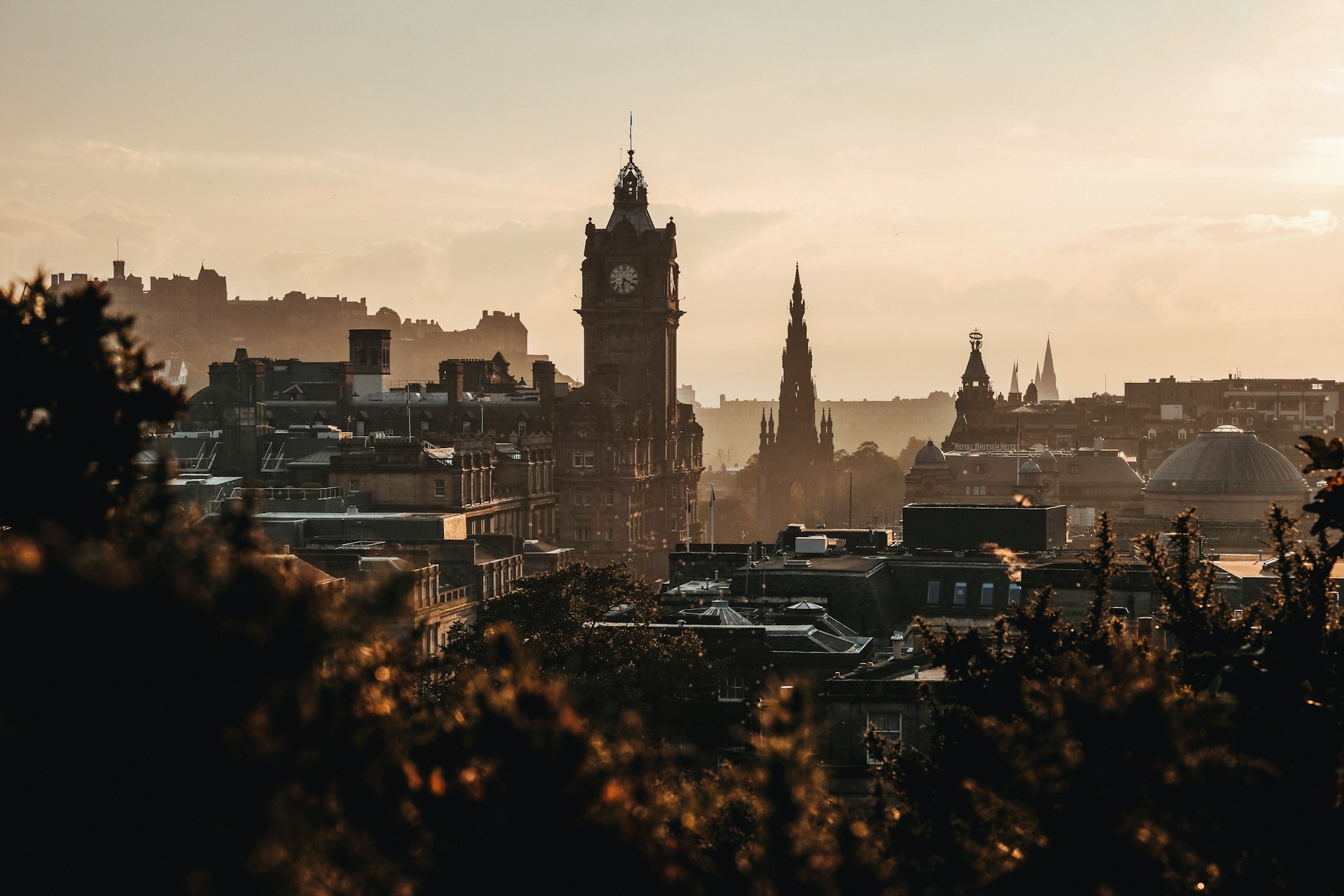
Edinburgh is a year-round destination, but each season offers a different experience. Summer brings festivals and long evenings, winter offers cosy pubs and festive markets, and the shoulder seasons provide the best balance of weather, crowds, and value.
Unlike some cities, Edinburgh doesn't really have a "bad" time to visit. The weather is maritime and changeable year-round, so you'll want layers regardless of when you come. The real question is what kind of Edinburgh experience you want.
Quick Guide
Best weather
May-June typically driest and warmest
Cheapest time
January-February, November (except Hogmanay)
Avoid crowds
September-October or February-March
Festivals
August for Fringe, August for Tattoo, December for Christmas
Long days
June has 17+ hours of daylight
Autumn colours
Late September to mid-October
Seasons at a Glance
Spring (March-May)
Ideal time to visit. Mild weather, longer days, blooming gardens, and reasonable prices. May offers the best combination.
Summer (June-August)
Peak season with best weather and longest days. August is festival month—incredible but extremely busy and expensive.
Autumn (September-October)
Beautiful colours in the parks, quieter than summer, and still pleasant weather. Great value period.
Winter (November-February)
Cold and dark but magical at Christmas and Hogmanay. January and February are bargain months.
Month-by-Month Guide
January
BudgetCold, short days (7hrs daylight). Average 1-7°C.
Very quiet
Burns Night (25th), post-Hogmanay calm
February
BudgetCold but days lengthening. Average 1-7°C.
Quiet
Valentine's Day, Six Nations Rugby begins
March
GoodGetting milder. Average 3-9°C.
Moderate
Six Nations continues, Edinburgh Science Festival
April
GreatMild spring weather. Average 4-11°C.
Moderate
Easter holidays, Beltane Fire Festival
May
BestWarm and pleasant. Average 7-14°C.
Moderate-High
Bank holidays, spring markets
June
BestWarmest begins. Average 10-17°C.
High
Edinburgh International Film Festival, longest days
July
GreatPeak summer. Average 12-19°C.
Very High
Edinburgh Jazz & Blues Festival, summer activities
August
FestivalWarm summer. Average 12-19°C.
Extremely High
Edinburgh Fringe, International Festival, Military Tattoo, Art Festival
September
GreatCooling autumn. Average 10-16°C.
Moderate
Doors Open Days, Scottish food festivals
October
GoodAutumn colours. Average 7-12°C.
Moderate
Halloween, Samhuinn Fire Festival, autumn half-term
November
BudgetCold and dark. Average 4-9°C.
Quiet
St Andrew's Day (30th), Christmas lights switch-on
December
FestiveCold winter. Average 2-7°C.
High (Christmas)
Edinburgh's Christmas, markets, Hogmanay preparations
Edinburgh Weather Facts
- •Edinburgh averages 700mm of rain per year - less than London or Manchester
- •Summer temperatures rarely exceed 22°C - bring layers
- •Wind is common year-round - castle esplanade can be breezy
- •Four seasons in one day is a real possibility - pack accordingly
- •Sea haar (coastal fog) can roll in unexpectedly in summer
- •Snow is possible November-March but rarely settles for long
Planning Tips
- ✓Book accommodation 6+ months ahead for August festivals
- ✓May and September offer the best balance of weather and crowds
- ✓Winter visitors should embrace cosy pubs and indoor attractions
- ✓Hogmanay tickets sell out months in advance
- ✓School holiday weeks (Easter, summer, October) are busier
- ✓Evening light in June lasts past 10pm - perfect for photography
- ✓Layer clothing - Edinburgh weather changes quickly
- ✓Weekend getaways are pricier than midweek visits